
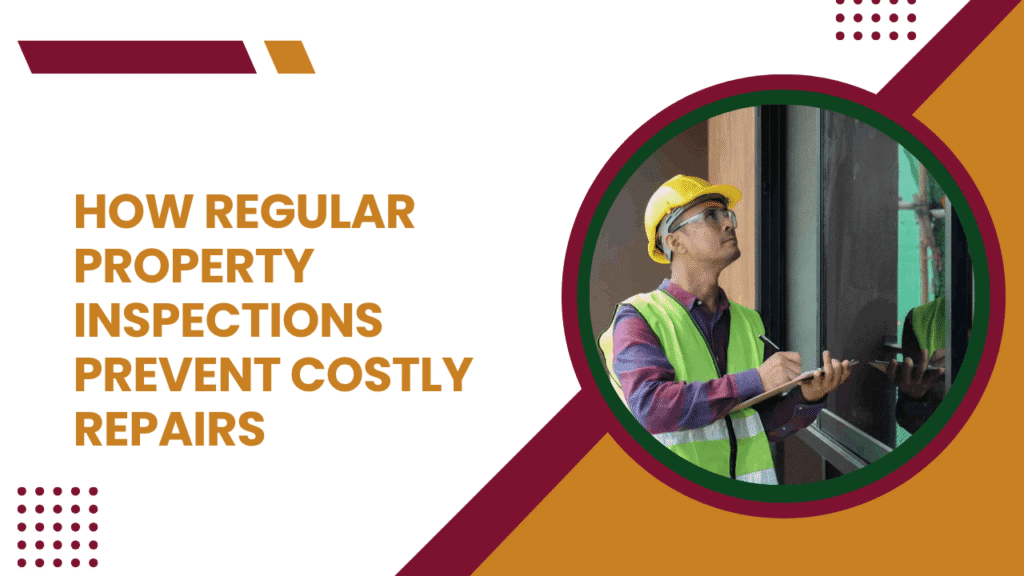
Have you ever discovered a small issue at one of your rental properties, like a leaky faucet or a bit of mold under the sink, only to realize later it had turned into an expensive, time-consuming repair?
If that sounds familiar, you already know how quickly those minor maintenance issues can spiral into major problems.
Maintenance costs are high. There’s not much you can do about the price of labor and materials.
But you can do something about prevention. Regular property inspections can minimize what you spend.
Many property owners make the mistake of only inspecting their properties at move-in and move-out. But routine inspections can catch issues early, extend the life of your property, and help you avoid thousands of dollars in surprise repairs.
Quick Look at Inspection Benefits:
|
The Importance of Regular Inspections
Every rental property experiences wear and tear. Tenants may not always notice or report problems right away, especially if they seem minor. A small leak behind a toilet, a loose railing on a balcony, or a cracked caulking line in a shower may seem insignificant at first, but over weeks or months, these seemingly tiny issues can lead to:
- Structural damage
- Mold growth
- Pest infestations
- Electrical or plumbing system failures
- Safety hazards
In California, these problems can be particularly expensive. Labor costs are higher than the national average, and contractors are in high demand. New building codes and inspection requirements are in place for multifamily buildings. There are strictly enforced habitability standards, too. Neglected maintenance can quickly lead to fines or legal liability.
Regular inspections are your early warning system. By identifying and addressing problems early, you can often fix them for a fraction of what you’d spend if they’re left to escalate.
Key Benefits of Regular Property Inspections
There are dozens of benefits to conducting regular property inspections at your rental home, but here are our top five:
- Catch Small Issues Before They Become Big Repairs
Imagine this: A tenant doesn’t notice that the water line behind their refrigerator has a slow, steady drip. Months later, the water has seeped into the subfloor, created mold, and damaged the wall framing. What could have been a $75 plumbing fix now costs $7,500 in remediation and construction.
No one is going to randomly check behind their refrigerators, but routine inspections give you the opportunity to spot these issues early. A simple walkthrough can reveal leaks under sinks or behind appliances, cracks in caulking or grout, pest entry points, early signs of roof or foundation issues, and signs of water damage or mold growth.
Early detection means lower costs and fewer disruptions to your tenants.
- Extend the Life of Your Property and Systems
Your rental property is a long-term investment. Regular inspections help ensure major systems like HVAC, plumbing, and roofing last as long as possible.
For example, HVAC filters that go unchanged for months can cause strain on the system, leading to costly repairs or premature replacement. When gutters are clogged, water may start pooling around the foundation, eventually causing structural damage. Worn weatherstripping or window seals can waste energy and increase utility bills.
By spotting and maintaining these elements during routine inspections, you can protect your investment and extend the lifespan of expensive systems.
- Ensure Tenant Compliance with Lease Terms
Not all damage comes from wear and tear. Sometimes it comes from tenant negligence or unauthorized modifications.
Regular inspections allow you to confirm the number of occupants matches what’s on the lease. Taking a look around (with plenty of notice) allows you to confirm there are no unauthorized pets or sublets. You want to make sure tenants aren’t making unapproved alterations (like painting walls or installing satellite dishes).
Walking through the property once a year not only helps you maintain it, but also gives you the peace of mind in knowing that the property is being maintained in a sanitary and safe condition.
In California, where eviction processes can be lengthy and complex, catching lease violations early gives you the chance to address issues proactively, rather than waiting until the end of the tenancy.
- Maintain Legal Compliance and Avoid Liability
Under California Civil Code §1941.1, landlords must maintain rental units in habitable condition, which includes providing working plumbing, adequate heating, weatherproofing, and a safe structure.
Regular inspections help ensure you stay compliant with these habitability standards. If a tenant reports an issue and you fail to fix it, or if a problem goes unnoticed and creates a safety hazard, you could face legal claims from tenants, city code enforcement citations, and costly repairs or mandated upgrades.
By conducting and documenting inspections, you create a paper trail that shows you’re fulfilling your legal obligations as a landlord.
- Strengthen Your Relationship With Tenants
Inspections aren’t just about protecting the property, they can also help build better communication and trust with your tenants.
When tenants see that you’re attentive and responsive to maintenance issues, they’re more likely to take better care of the property themselves, report problems promptly, and renew their lease and stay longer. You’ll encourage them to leave the property in good condition at move-out, and that will help with your own turnover process.
Types of Inspections Every California Landlord Should Conduct
There isn’t just one type of property inspection. A comprehensive maintenance plan involves different inspections at different stages of a tenancy.
The move-in inspection is done before a new tenant moves in. This sets the baseline condition of the property. Documenting everything thoroughly with photos, video, and a checklist ensures both parties understand the property’s starting point.
Key areas to inspect include:
- Appliances and plumbing
- Doors, windows, and locks
- Electrical systems and light fixtures
- Floors, walls, and ceilings
- HVAC systems
This inspection not only protects you but also helps avoid security deposit disputes later.
There should be at least one maintenance walk-through inspection during the lease term while a tenant is occupying your property. These inspections are the best way to catch issues early and monitor tenant compliance. Look for:
- Signs of leaks, mold, or water damage
- HVAC filters and system performance
- Condition of floors, windows, and walls
- Evidence of pests or unauthorized pets
- Tenant housekeeping and compliance with lease terms
California law requires proper notice before entering a rental unit. That’s generally 24 hours’ written notice. Make sure you’re not disrupting your tenants.
Move-out inspections are similar to the move-in inspection, but it happens after a tenant moves out. A pre-move out inspection might occur after a tenant gives notice and before they leave is one is requested. This inspection determines whether the tenant will receive their security deposit back in full or in part. It also identifies what repairs or cleaning may be needed before the next tenant moves in.
Special Considerations for California Landlords
California has some unique factors that make regular inspections even more important. For example, there are climate issues and environmental impacts on the condition of a California home. Wildfires are ever-present risks, and the threat of earthquakes means structures have to be sure.
There are also the strict habitability standards we talked about. Laws were passed a few years ago requiring that local authorities take every habitability complaint seriously. Balcony laws require that your building is inspected for soundness of structures.
Inspections are also especially important in our market because of high labor costs. Early fixes can help you avoid paying premium rates for emergency repairs.
Finally, mold and water damage liability California law is strict about landlord responsibilities for mold remediation.
Being proactive with inspections can help you stay compliant and financially protected in this unique regulatory environment.
Balancing Inspections and Tenant Privacy
Some landlords hesitate to conduct regular inspections for fear of upsetting tenants. However, when done respectfully, inspections can enhance trust rather than harm it. Here’s how we handle it:
- We remain transparent, letting tenants know in advance why inspections are important.
- Flexible scheduling is offered, showing that we’re willing to work with their availability when possible.
- We’re respectful of their space.
- Our follow up is quick, letting them know what you found and what actions will be taken.
When tenants understand that inspections protect both the property and their safety, they’re usually cooperative. Include this requirement in your lease agreement so there are no surprises.
 Regular inspections lead to lower costs and fewer headaches. That’s our experience as professional property managers who take inspections seriously. We’re catching issues earlier, controlling repair costs, and extending the life and value of your investment.
Let’s talk about how to make your investment property stronger and more profitable with regular inspections before, during, and after a tenancy. Contact us at Key Realty Center.
 Broker-Owner Rod Luman has three decades of experience in the real estate industry. A lot has changed over the past three decades, but nothing has changed property management as much as computer technology. Today Key Realty Center uses cutting-edge tools to research market conditions and set rental prices, to thoroughly screen tenants, schedule and track maintenance, and provide extensive reporting for owners and tenants.